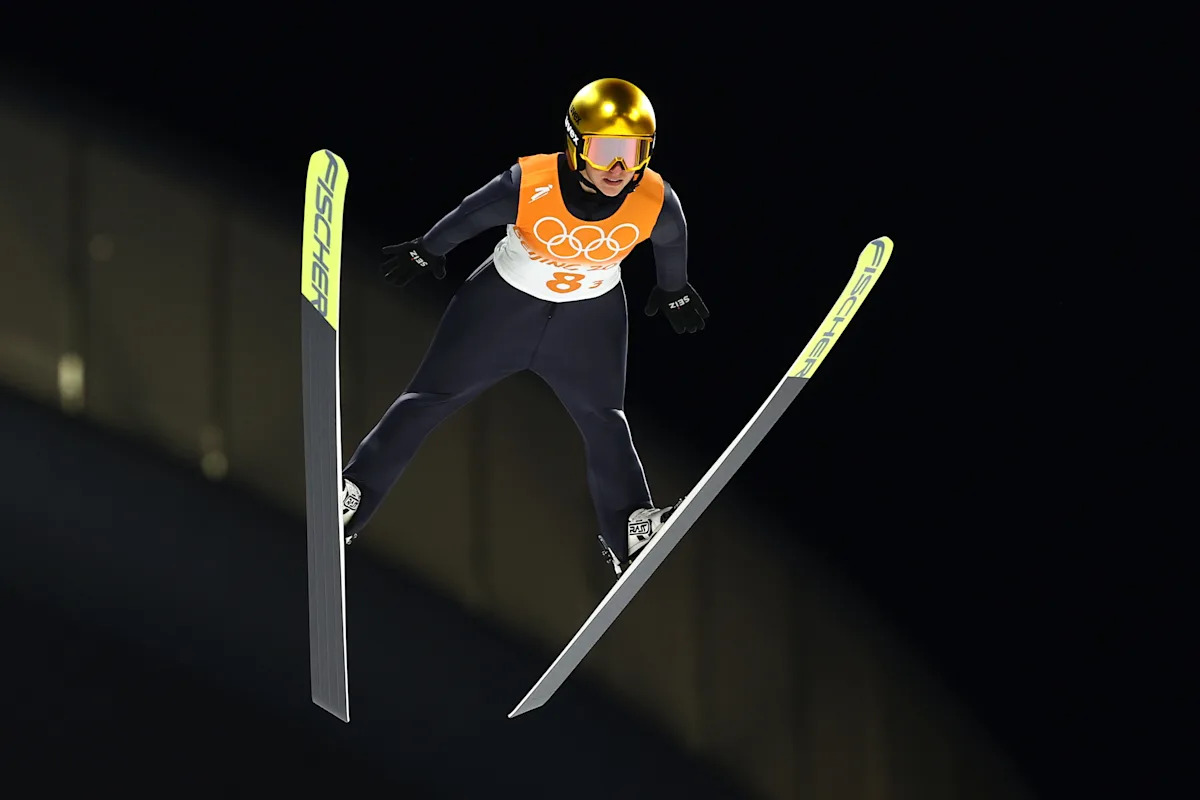
Inside Ski Jumping DQs: IOC's Strict Rules for Fair Play
The exhilarating spectacle of ski jumping, where athletes defy gravity and soar through the air, captivates audiences worldwide. Yet, beneath the breathtaking athleticism and calculated risks lies a fiercely regulated environment where fractions of a millimeter can shatter Olympic dreams. Recent high-profile incidents have starkly illuminated this reality, leaving top ski jumpers disqualified from elite competitions due to equipment violations. These moments underscore the International Olympic Committee's (IOC) unwavering commitment to fair play, demonstrating that even unintentional breaches carry the harshest consequences.
The cases of Austrian Daniel Tschofenig and American Annika Belshaw, both disqualified from the Winter Olympics for seemingly minor gear infractions, sent shockwaves through the ski jumping community. Their stories serve as powerful reminders that in a sport where marginal gains dictate outcomes, the rules governing equipment are not merely guidelines, but absolute mandates. The integrity of the competition hinges on every athlete competing on a level playing field, making the IOC's stance uncompromising.
The Precision Game: Why Millimeters Rule the Roost in Ski Jumping
Unlike downhill or cross-country skiing, ski jumping is a sport uniquely dependent on aerodynamics and the delicate interaction between athlete and equipment. Every component, from the skis to the boots and suit, is meticulously designed and, crucially, strictly regulated. The goal is to prevent any artificial advantage that could be gained through oversized or modified gear, ensuring that success is a testament to skill, technique, and courage alone.
The rules governing ski length are a prime example of this precision. An athlete's maximum ski length is tied directly to their height and Body Mass Index (BMI), capped at 145% of their height. Athletes with a lower BMI are, in fact, required to jump with shorter skis. This regulation aims to counteract potential advantages where lighter athletes might otherwise use longer skis to generate more lift. The subtle manipulation of ski length can significantly influence glide and flight characteristics, turning a potential disadvantage into an unfair edge.
Equally critical are the boots. Ski jumping boots are distinctive, designed to lock into the toe piece of the binding while leaving the heel free. This unique design allows jumpers to manipulate their heel and ankle during take-off and landing, providing crucial control and leverage. However, the size of these boots is tightly controlled. As seen in recent disqualifications, even a few millimeters of excess boot length can be deemed a significant violation. Why? A larger boot can effectively extend the ski's surface area forward from the jumper's feet, potentially increasing lift and allowing for a longer, more stable glide. In a sport where a few centimeters in flight distance can mean the difference between gold and fourth place, such an advantage, however slight, is unacceptable. For a deeper dive into the fine line athletes walk, explore Millimeters Matter: How Gear Violations End Olympic Ski Jumps.
Case Files: High-Profile Disqualifications and the IOC's Unyielding Stance
The 2026 Winter Olympics at Predazzo Ski Jumping Stadium became a poignant stage for the enforcement of these stringent rules, impacting two promising athletes in quick succession.
Austrian ski jumper Daniel Tschofenig, a 23-year-old talent with a 2025 World Cup championship under his belt and hopes for an Olympic medal, found his dreams dashed. After a strong first-round performance, scoring 137.7 and qualifying for the final, he was disqualified. The reason? His boots were found to be four millimeters over the maximum allowed size. Tschofenig's candid reaction resonated with many: "Extremely stupid of me," he admitted, explaining he had used new shoes in training, wasn't happy with them, but kept them due to immense stress and a naive oversight in not measuring them. "Rules are rules," he conceded, a tough pill to swallow for an athlete who had dedicated his life to this moment.
Just one day later, American Annika Belshaw, also 23, faced a similar fate in the women’s large hill individual event. Having qualified for the final with a score of 98.5 on her first jump, Belshaw was subsequently disqualified after an inspection revealed her ski length exceeded the maximum by one centimeter. Like Tschofenig, her Olympic journey ended abruptly before she could even compete in the final round.
These incidents highlight the IOC's uncompromising position. While the athletes' lack of intent or the pressures they faced are acknowledged, the decision for disqualification stands. The IOC's silence on individual cases, beyond confirming the decision, reinforces their stance: equipment compliance is absolute, and personal circumstances, however tragic, cannot compromise the integrity of the competition. These high-profile DQs serve as a stark reminder of Olympic Ski Jumpers DQ'd: The Cost of Oversized Gear, a price paid not just in medals, but in shattered dreams and public scrutiny.
Beyond the Take-Off: The Rigorous World of Equipment Checks
To uphold the sanctity of fair play, ski jumping events are subject to an exhaustive equipment inspection protocol orchestrated by technical delegates and officials from the International Ski Federation (FIS). This process isn't a mere formality; it's a critical component of every competition, designed to catch even the most minute infractions.
Before any athlete steps onto the ramp, their gear undergoes a preliminary check. Here, officials use precise tools like calibrated calipers, measuring tapes, and BMI scales to verify ski length against height and weight, boot dimensions, and suit permeability. However, the most crucial inspections often occur after a jump. Post-jump checks are more stringent, as the equipment has just been used, potentially under stress, and any subtle deviation that might have been missed or became apparent during flight can be detected. This includes checking suit dimensions, boot sizes, and ski lengths once again. The meticulousness ensures that any advantage, however slight, is identified and addressed.
The responsibility for compliance doesn't rest solely on the athlete. Coaches, technical teams, and national federations play a pivotal role. It's a collective effort to ensure that all equipment meets the exacting standards. This involves rigorous pre-competition checks within the team, using identical calibration tools to those used by officials, and staying abreast of any rule changes. Any new piece of equipment, like the "new shoes" Tschofenig mentioned, should ideally undergo a thorough internal vetting process before being used in competition.
The Human Element: Stress, Error, and the Pursuit of Fair Play
While the rules are unyielding, the human element in these disqualifications cannot be overlooked. Elite athletes operate under immense pressure, particularly at events like the Olympics. The pursuit of perfection, combined with the stress of competition, travel, and media scrutiny, can lead to oversights.
Daniel Tschofenig's candid admission of being "naive" and under "so much stress" offers a glimpse into the mental landscape of an Olympic contender. It's plausible that in the whirlwind of preparation, a crucial measurement was genuinely missed. Similarly, Annika Belshaw's disqualification, coming so close to a final she had worked years for, highlights the brutal finality of such errors. Watching his girlfriend, Alex Loutitt, comfort Tschofenig after his DQ underscored the profound personal and emotional toll these decisions take, impacting not just the athletes but their support systems.
Despite the natural empathy one feels for these athletes, the IOC's strict adherence to rules is fundamental to the integrity of sport. Allowing exceptions, even for "unintentional" errors, would open a Pandora's box, creating precedents that could be exploited. The message is clear: in ski jumping, vigilance is as crucial as skill. To mitigate such occurrences, teams should implement robust protocols: assign a dedicated equipment manager, conduct triple-checks before every session, maintain detailed equipment logs, and prioritize athlete education on current regulations. These proactive steps, though demanding, are essential to avoid the heartbreaking fate of being a ski jumper disqualified.
Conclusion
The recent disqualifications of Daniel Tschofenig and Annika Belshaw from the Winter Olympics serve as powerful, albeit painful, lessons in the unforgiving world of elite ski jumping. They are stark reminders that in a sport where milliseconds and millimeters make the difference, the IOC's commitment to fair play is absolute. While the emotional cost to athletes is undeniably high, these strict rules protect the integrity of the competition, ensuring that every medal earned is a true reflection of athletic prowess, not technological advantage. The legacy of these incidents will undoubtedly be an even greater emphasis on precision, vigilance, and meticulous equipment management among ski jumping teams worldwide, reinforcing that in the pursuit of Olympic glory, every detail matters.