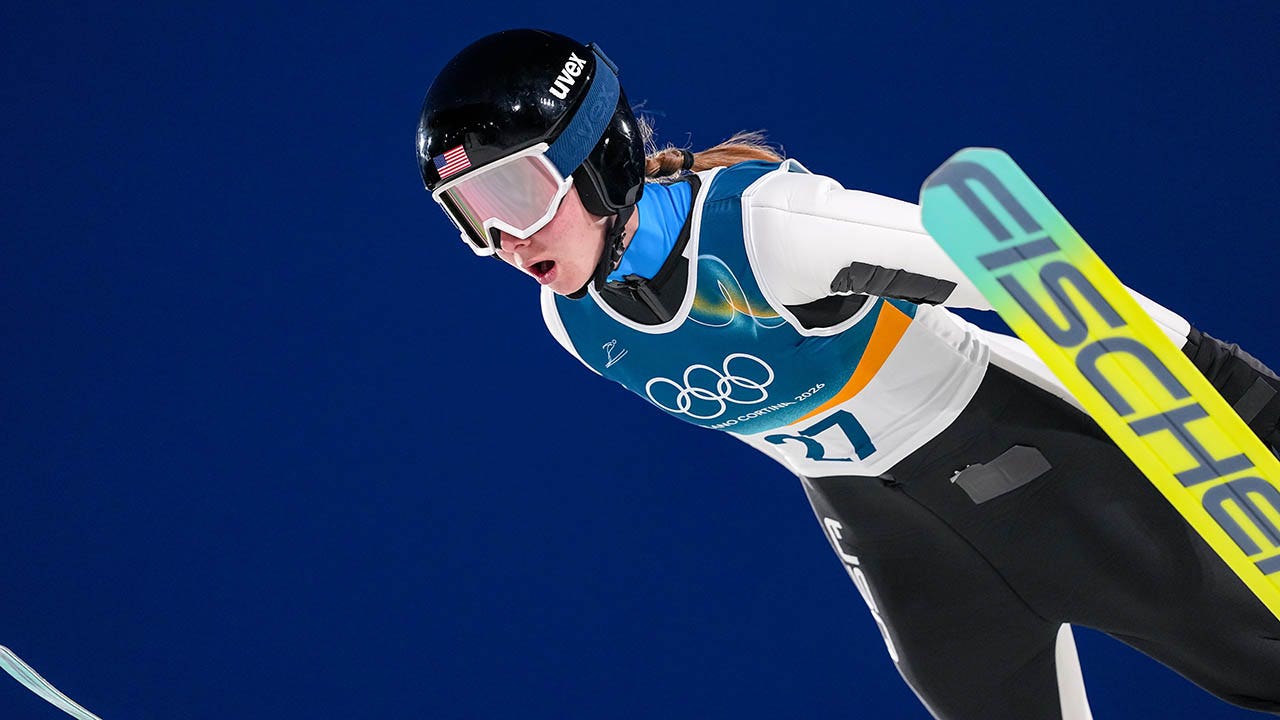
Olympic Ski Jumpers DQ'd: The Cost of Oversized Gear
The Winter Olympics, a quadrennial spectacle of human achievement and athletic prowess, often delivers moments of pure elation and heartbreaking defeat. However, some of the most profound disappointments don't come from a missed jump or a poor landing, but from an even more ruthless arbiter: the rulebook. In recent Olympic events, the dreams of several promising athletes were shattered not by their performance, but by equipment deemed just millimeters too large. The phrase "Ski Jumpers Disqualified" has become an unfortunate headline, reminding us that in elite sports, precision isn't just a goal—it's an absolute requirement.
This stringent adherence to regulations was dramatically highlighted by the disqualifications of Austria’s Daniel Tschofenig and Team USA’s Annika Belshaw. Both athletes, after successfully qualifying for their respective finals, saw their Olympic aspirations vanish due to seemingly minor infractions: Tschofenig's boots were a mere four millimeters over the maximum size, and Belshaw's skis exceeded the permitted length. These incidents underscore the immense pressure on athletes and support staff to navigate the incredibly fine line between performance optimization and rule compliance, where the smallest oversight can carry the heaviest cost.
The Precision Sport: Why Every Millimeter Counts in Ski Jumping
Ski jumping is a sport unlike any other, a breathtaking display of courage, skill, and an intricate understanding of aerodynamics. Athletes launch themselves from a ramp, soaring through the air, striving for maximum distance and perfect style. In such a high-stakes environment, every single component of an athlete's equipment is meticulously regulated to ensure fairness and prevent any unfair advantage. The rules governing ski jumping gear are among the strictest in competitive sports, and for good reason.
Consider the skis themselves. Their maximum length is not arbitrary; it's calculated based on a percentage of the jumper's height, further adjusted by their Body Mass Index (BMI). Skiers with a lower BMI are, for instance, required to use shorter skis. This rule directly addresses the potential for athletes to gain an unfair advantage through excessive lift provided by a larger surface area. The boots, too, are highly specialized. Designed to fit precisely into the toe piece of the binding while leaving the heel free, they allow jumpers crucial ankle and heel manipulation during takeoff and landing. A boot that is too large, even by a few millimeters, can enable an athlete to position their foot differently on the ski, effectively increasing the usable surface area in front of their feet. This subtle change can translate into increased lift and glide, potentially extending the jump distance and skewing results.
In a sport where differences of a fraction of a point can separate a medal winner from an also-ran, these "small margins make a huge difference." The regulations are designed to isolate and celebrate pure athletic talent, technical skill, and courage, rather than an equipment advantage. It's a testament to the sport's commitment to integrity that such precise measures are enforced, even when the consequences for individual athletes are devastating. The stories of Millimeters Matter: How Gear Violations End Olympic Ski Jumps demonstrate this principle vividly.
The Human Element: When Stress Meets Strict Regulations
The technical reasons behind the rules are clear, but the human stories behind the disqualifications are equally compelling and heartbreaking. Austria's Daniel Tschofenig, a 23-year-old rising star and 2025 World Cup champion, epitomized this personal tragedy. After qualifying strongly for the final, his hopes for an Olympic podium finish were dashed when his boots were found to be four millimeters too long. His reaction – "Extremely stupid of me, there was just so much stress going on" – speaks volumes about the immense pressure Olympic athletes face.
Tschofenig admitted to using new shoes in training that he wasn't entirely happy with, and crucially, neglected to measure them. This oversight, born out of stress and perhaps a touch of naivety, cost him dearly. The raw emotion was palpable, captured as he was comforted by his girlfriend, Canadian ski jumper Alex Loutitt, a bronze medalist herself. It's a stark reminder that even the most dedicated and talented athletes are susceptible to human error, especially in the high-stress environment of the Olympic Games.
Similarly, American ski jumper Annika Belshaw, also 23, faced her own devastating disqualification from the women’s large hill individual event final. Her strong first jump earned her a spot, but a subsequent inspection revealed her skis were too long. While the exact measurement of her violation was described as a "one-centimeter equipment issue," the outcome was identical: an abrupt end to her Olympic journey. Both incidents highlight a critical vulnerability: under immense pressure, coupled with the logistical complexities of international competition, even the most diligent teams can miss a crucial detail, leading to an Olympic dream ending before the final jump.
Upholding Fair Play: The IOC's Unwavering Stance
While the disqualifications of Tschofenig and Belshaw evoke sympathy, the International Olympic Committee (IOC) and the International Ski Federation (FIS) maintain an unyielding stance on equipment regulations. Their primary mandate is to ensure the integrity of the sport and to provide a level playing field for all competitors. When medal counts are on the line, and national pride is at stake, the rules must be applied consistently and without prejudice. This unwavering commitment is explored further in Inside Ski Jumping DQs: IOC's Strict Rules for Fair Play.
The strictness of these rules, and their uncompromising enforcement, serves several critical purposes. Firstly, it prevents athletes from gaining an unfair technical advantage, ensuring that results are a true reflection of athletic ability and not equipment manipulation. Secondly, it maintains public trust in the sport; fans and competitors alike need to believe that outcomes are fair and earned. Thirdly, it acts as a deterrent against deliberate attempts to bend or break the rules. While in these particular cases, the violations appeared to be unintentional oversights, the rules cannot differentiate intent after the fact. The principle must be absolute: rules are rules, and infractions carry consequences.
This unwavering stance sends a clear message across all Olympic sports: adherence to regulations is paramount. It reinforces the idea that the Olympic spirit extends beyond performance to encompass ethical conduct and strict compliance. For every athlete who has dedicated years of their life to reach this pinnacle, the assurance of fair competition is non-negotiable.
Lessons Learned: Navigating the Fine Line for Future Success
The unfortunate incidents involving Tschofenig and Belshaw offer crucial lessons for athletes, coaches, and support staff across all precision sports, especially where marginal gains can mean the difference between victory and disqualification. The "cost of oversized gear" is not just a lost medal opportunity; it's a profound blow to morale, reputation, and the immense personal sacrifice made by athletes.
To prevent future disqualifications for equipment violations, several practical measures are essential:
- Rigorous and Redundant Checks: Teams must implement multi-stage, meticulous equipment verification processes. This means checks by multiple individuals, using certified measuring tools, at various points before competition—from the moment new gear is received to the final pre-jump inspection.
- Dedicated Equipment Specialists: Employing a specialized equipment manager whose sole responsibility is to stay abreast of all rules and ensure compliance can be invaluable. This individual serves as the last line of defense against costly oversights.
- Stay Updated on Rule Changes: Regulations can evolve. Teams must proactively monitor official federation communications for any adjustments to equipment specifications, however minor.
- "Measure Twice, Jump Once": This old carpenter's adage holds true for ski jumping. Never assume dimensions are correct; always verify. Even factory-supplied gear can have slight variations.
- Simulate Competition Conditions: When testing new gear, it should be done under conditions that mimic competition as closely as possible, including pre-event checks. This helps identify any issues that might arise under pressure.
- Athlete Education and Involvement: While support staff perform checks, athletes themselves should be thoroughly educated on equipment rules and the critical importance of compliance. They are the ultimate users and the ones most impacted.
These experiences serve as a sobering reminder that in the pursuit of Olympic glory, precision is not just about performance, but about every single detail of preparation and adherence to the rulebook. The path to the podium is paved not just with skill and dedication, but with meticulous attention to every millimeter and gram.
The disqualifications of these promising ski jumpers disqualified for equipment violations are a harsh but necessary reality check in the world of elite sports. While the human element of stress and oversight is understandable, the integrity of competition demands strict enforcement. The cost of oversized gear extends beyond the athletes themselves, impacting teams, federations, and the very perception of fair play. As the Olympics continue to inspire, these incidents will stand as a potent reminder that success hinges not only on soaring further and higher, but on doing so strictly within the bounds of the rules, where every millimeter truly matters.