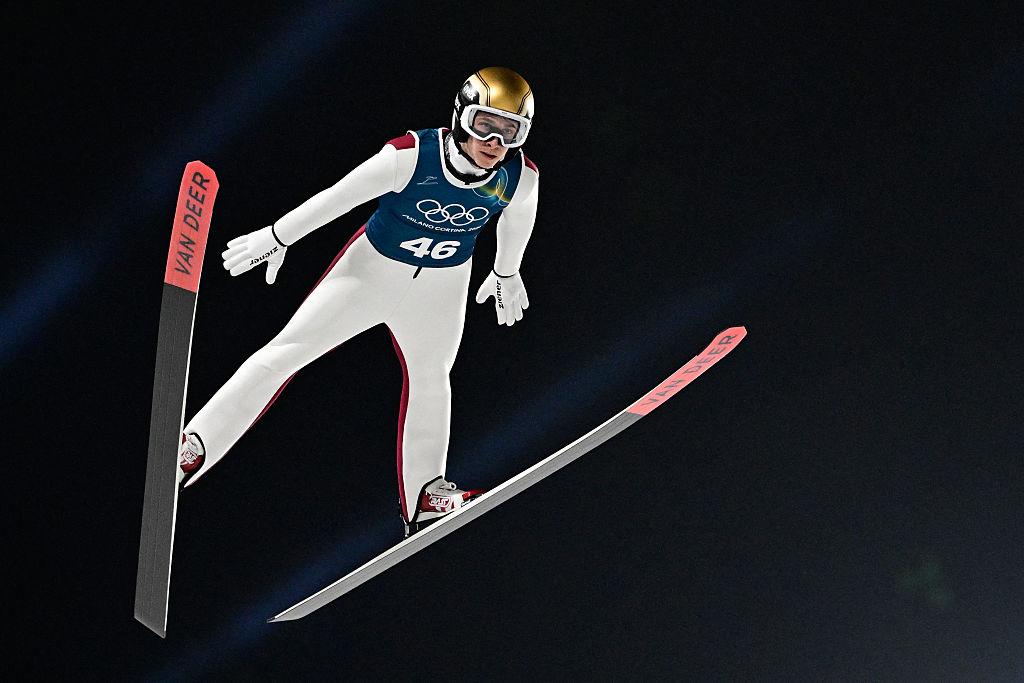
Millimeters Matter: How Gear Violations End Olympic Ski Jumps
The roar of the crowd, the breathtaking flight, the pursuit of Olympic glory – these are the hallmarks of ski jumping. Yet, amidst this spectacle of athleticism and daring, a silent, almost imperceptible detail can bring an athlete's dreams crashing down: a few millimeters. In a sport where gravity and aerodynamics are meticulously manipulated, the rules governing equipment are razor-sharp, and even the slightest deviation can lead to a devastating disqualification. Recent Winter Olympics have underscored this harsh reality, leaving promising competitors like Daniel Tschofenig and Annika Belshaw facing the abrupt end of their medal hopes, not due to a poor jump, but because their gear simply wasn't compliant. The stories of these
ski jumpers disqualified from the biggest stage highlight a fundamental truth: in the high-stakes world of elite sport, precision isn't just a goal, it's a non-negotiable requirement.
The Precision Game: Why Ski Jumping Gear is So Strictly Regulated
Ski jumping is often described as flying. Athletes launch themselves from a ramp, soaring through the air for distances that can exceed 250 meters, relying on a delicate balance of speed, technique, and aerodynamic efficiency. Every piece of equipment, from the specially designed skis to the fitted boots and aerodynamic suit, plays a critical role in maximizing lift and minimizing drag. This intricate relationship between athlete and apparatus necessitates an extremely stringent set of rules, enforced by the International Ski Federation (FIS) and the International Olympic Committee (IOC).
Unlike traditional downhill skiing where flexibility in gear choice is common, ski jumping regulations are designed to prevent any single athlete from gaining an unfair mechanical advantage. The goal is to ensure that success is purely a result of athletic prowess, skill, and courage, not superior (or illicitly modified) equipment. Key areas of regulation include:
*
Ski Length: Often tied to an athlete's Body Mass Index (BMI), a lower BMI typically means shorter skis. This prevents lighter athletes from using excessively long skis to generate more lift, creating an unfair advantage. The maximum length allowed is usually 145% of the jumper's height based on their BMI.
*
Boot Design: Ski jumping boots are unique. They fit snugly into the toe piece of the binding, but the heel is intentionally left free. This allows jumpers to manipulate their ankle and heel during take-off and landing, a crucial element of their technique. Any increase in boot size, even minimal, could allow a jumper to stand taller or extend their "lever arm" over the ski, potentially increasing the effective surface area for lift and glide.
*
Suit Permeability and Fit: Suits must be breathable and fit tightly, preventing extra air pockets that could act as makeshift "wings." Measurements are taken at various points to ensure a snug fit that conforms to the body's natural contours.
These rules create a level playing field, transforming the athlete into a human "flying machine" where every millimeter and every gram is accounted for. Any deviation, no matter how small, compromises this delicate balance and the integrity of the competition.
A Tale of Two Disqualifications: Tschofenig and Belshaw
The emotional weight of these regulations became acutely clear at recent Winter Olympics. Austrian hopeful Daniel Tschofenig and American ski jumper Annika Belshaw both faced the crushing reality of being
disqualified from Olympic ski jumping due to gear violations, despite qualifying for the finals.
Daniel Tschofenig, a 23-year-old World Cup championship winner with podium aspirations, was hit with a disqualification after his boots were found to be 4 millimeters over the maximum allowable size. The news came as a shock, particularly given the small margin of error. "Extremely stupid," Tschofenig stated, reflecting on his oversight. He admitted to using new boots in training that he wasn't happy with, and in the stress of competition, he failed to measure them. This oversight cost him a chance at an Olympic medal, a dream he had sacrificed so much for. The raw disappointment was palpable, highlighted by broadcast images of him being comforted by his girlfriend, Canadian bronze medalist Alex Loutitt, who later shared a poignant message on Instagram: "Was not our hill but at least we have each other."
Just a day after Tschofenig's ordeal, American Annika Belshaw, also 23, experienced a similar fate. Having scored 98.5 on her first jump to qualify for the women’s large hill individual final, her Olympic journey was cut short by an inspection that revealed her skis were too long. While the exact measurement of her ski length violation wasn't widely specified, the principle remained the same: an imperceptible advantage that violated the rules. Belshaw's disqualification meant she never even got to compete in the final, adding another layer of heartbreak to an already challenging situation.
These incidents underscore the unforgiving nature of ski jumping regulations. Both athletes were highly skilled, had earned their spots in the final, and likely had no malicious intent to cheat. Yet, their stories serve as stark reminders that in a sport decided by meters and points, even a few millimeters or centimeters can trigger severe consequences for
disqualified ski jumpers.
The IOC's Unwavering Stance: Ensuring Fair Play at All Costs
The decisions to disqualify Tschofenig and Belshaw were not made lightly, but they reflect the IOC's and FIS's uncompromising commitment to fair play. In an environment where medal counts are meticulously tracked and national pride is on the line, any perceived advantage, no matter how minor, undermines the integrity of the competition.
The rationale is clear: even if an athlete is unaware of a violation, or if the advantage gained seems negligible, the potential for an unfair edge exists. A larger boot, as in Tschofenig's case, could theoretically allow a jumper to manipulate their center of gravity more effectively, or leverage a slightly larger ski surface. Similarly, an oversized ski, like Belshaw's, could provide extra lift or glide. In a sport where a fraction of a point can separate a gold medalist from an unplaced competitor, these subtle differences become paramount.
The strict stance also serves a preventative purpose. By enforcing rules rigorously, the governing bodies send a clear message: equipment checks are not a formality, but a critical component of fair competition. This helps deter deliberate attempts to bend or break rules and ensures that all athletes compete under identical, rigorously defined conditions. The IOC's silence on individual cases, as noted in Tschofenig's situation, further emphasizes their adherence to established protocols, demonstrating that decisions are based on objective measurements and predefined rules, not public sentiment. For more insights into how these regulations are enforced, you can read about
Inside Ski Jumping DQs: IOC's Strict Rules for Fair Play.
What Athletes and Teams Can Learn: Preventing Future Disqualifications
The experiences of Daniel Tschofenig and Annika Belshaw offer invaluable, albeit painful, lessons for all aspiring and current ski jumpers and their support teams. Preventing future disqualifications requires a multi-faceted approach centered on vigilance, communication, and meticulous preparation.
Here are some practical tips and actionable advice:
*
Routine and Rigorous Equipment Checks: This cannot be overstated. Equipment should be measured not just before major competitions, but regularly during training, especially after adjustments or acquiring new gear. Teams should establish a standardized checklist and protocol for measurements.
*
Understand the Rules Inside Out: Athletes, coaches, and technicians must have an encyclopedic knowledge of current FIS and Olympic regulations. Rules can change, and staying updated is crucial. Ignorance is not an excuse.
*
Communicate with Manufacturers: Maintain open lines of communication with equipment manufacturers to ensure all gear is produced to within legal tolerances. Double-check specifications upon delivery.
*
Documentation is Key: Keep detailed records of all equipment measurements, certifications, and adjustments. This can be vital in case of an appeal or to identify patterns.
*
Empower Team Staff: Coaches and support staff should be trained in precise measurement techniques and empowered to make final checks. The responsibility doesn't solely rest on the athlete's shoulders.
*
Manage Stress and Distraction: As Tschofenig mentioned, "so much stress was going on." High-pressure environments can lead to oversights. Teams should have protocols in place to ensure critical checks are not missed, even under duress.
*
Learn from Past Incidents: Regularly review recent disqualifications, both within ski jumping and other sports, to understand common pitfalls and reinforce best practices.
Ultimately, the responsibility for compliant gear rests with the athlete and their team. The cost of an oversized piece of equipment, as explored in
Olympic Ski Jumpers DQ'd: The Cost of Oversized Gear, extends beyond the immediate competition to long-term psychological and career impacts. Vigilance is the only defense against the smallest of measurements ending the biggest of dreams.
In the exhilarating world of Olympic ski jumping, where athletes push the boundaries of human flight, the unwavering commitment to fair play remains paramount. The stories of
ski jumpers disqualified due to gear violations serve as a powerful reminder that while talent and daring define the sport, adherence to the rules, down to the last millimeter, ultimately determines who gets to compete for glory. As the sport evolves, one thing remains constant: the meticulous scrutiny of equipment will continue to ensure that victory is earned purely through athletic excellence, not through any unintended or unapproved advantage.